Guyon's Canal Syndrome in Westchester county, NY
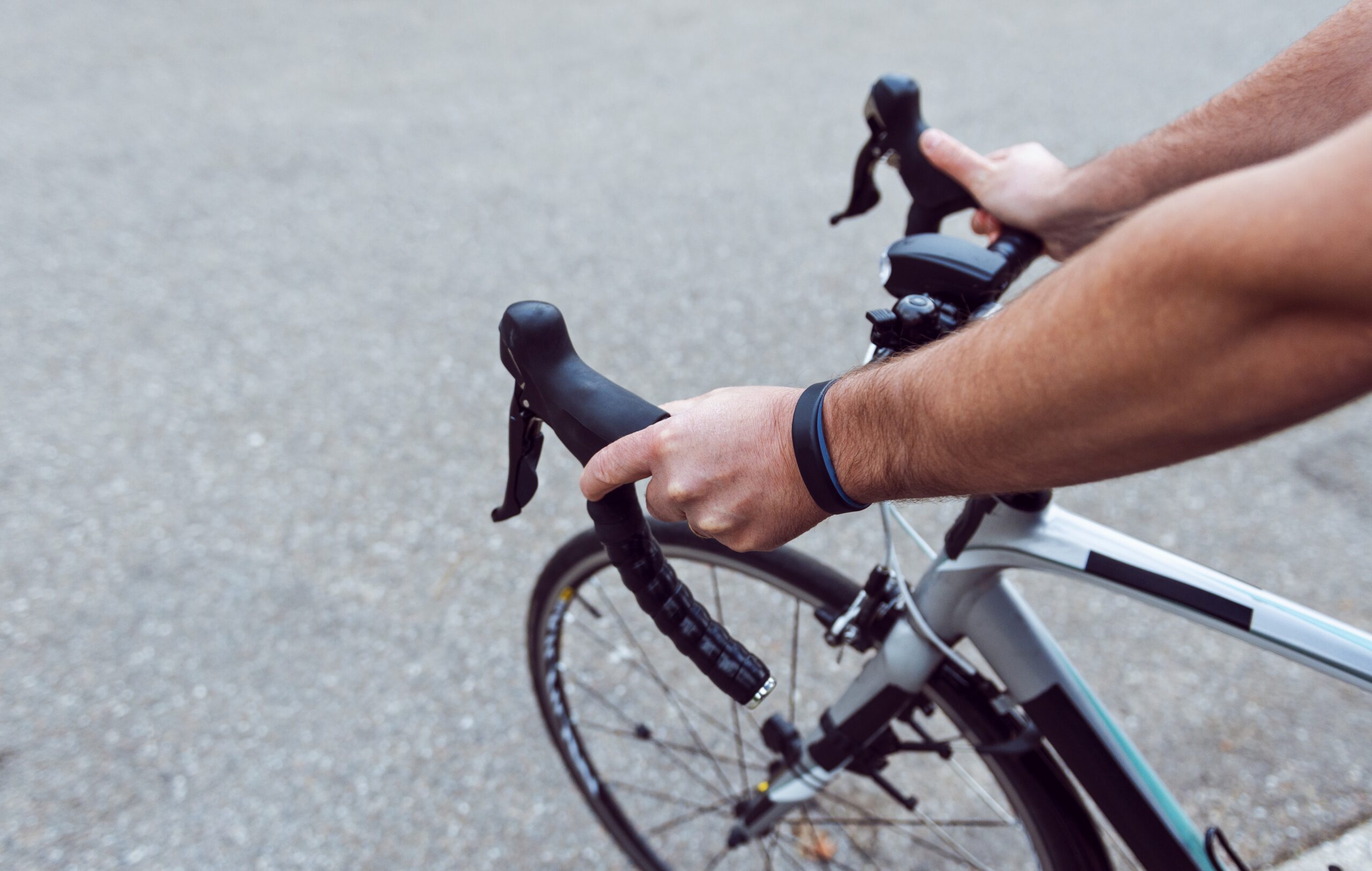
If your hand feels numb or tingles when you grip your bike handles, lift weights, or even just wake up in the morning, it could be more than simple overuse. Symptoms like these are often linked to a condition called Guyon’s canal syndrome. Early diagnosis and treatment are key to preventing long-term dysfunction.
At Specialty Orthopaedics in Harrison, New York, board-certified orthopaedic surgeon Dr. Valdet Nikci offers specialized care for hand and upper extremity conditions, including Guyon’s canal syndrome. His expertise in minimally invasive surgical techniques and nonoperative care options helps patients throughout Westchester County, New York, return to comfortable, active lives.
What Is Guyon’s Canal Syndrome?
Guyon’s canal syndrome develops when the ulnar nerve becomes compressed within Guyon’s canal, a tunnel-like structure formed by two wrist bones and a connecting ligament. This nerve runs from the neck, down the arm, and into the hand, supplying feeling to the ring and pinky fingers and controlling muscles in the palm and thumb.
When compressed or irritated, the ulnar nerve can cause a range of symptoms that affect hand dexterity and comfort.
Causes of Guyon’s Canal Syndrome
Several factors can contribute to ulnar nerve compression at the wrist. Common causes include:
- Cycling or motorcycle riding: Continuous pressure from the handlebars on the base of the palm
- Weightlifting: Repetitive gripping or twisting of the wrist
- Manual labor: Frequent wrist movements, vibration, or tool use
- Wrist injury: Swelling or fracture that increases pressure on the nerve
- Arthritis: Inflammation in the wrist joint that narrows the canal
Symptoms of Guyon’s Canal Syndrome
Early symptoms of Guyon’s canal syndrome can be mild but may progress if untreated. Common signs include:
- Numbness or tingling in the hand and fingers, especially after sleeping
- Burning pain in the wrist or hand that radiates up the arm
- Numbness in the ring and pinky fingers
- Weakness in the palm and thumb
- Difficulty gripping objects
- Inability to spread fingers apart
- Inability to pinch the index finger and thumb together
Treatment Options
 Treatment for Guyon’s canal syndrome typically begins with non-surgical care. Steroid injections may be used to reduce inflammation and relieve pressure on the ulnar nerve. These injections are delivered directly to the affected area and often improve symptoms within a few days, with relief lasting from several weeks to months.
Additional nonoperative treatments may include wrist splinting, physical therapy, and ergonomic adjustments to reduce repetitive stress.
For patients who do not improve with conservative measures, surgical decompression may be recommended to release the nerve.
Surgical Decompression for Guyon’s Canal Syndrome
The goal of surgical decompression is to create more space within Guyon’s canal so the nerve can function without being compressed.
The procedure is typically performed on an outpatient basis using a small incision at the wrist. During surgery, the ligament overlying Guyon’s canal is carefully released to free the ulnar nerve.
In some cases, additional tissue or bone causing compression may also be removed. This allows normal blood flow and nerve signaling to return, helping reduce symptoms.
Surgical decompression has a high success rate when performed by an experienced hand surgeon and can be an important step toward relief.
Why Choose Specialty Orthopaedics
Specialty Orthopaedics provides comprehensive care for musculoskeletal conditions in a supportive and clinically advanced environment. Our board-certified orthopaedic surgeons always explore conservative methods that may relieve symptoms and restore function before recommending surgery.
Dr. Valdet Nikci, our hand and upper extremity specialist, has extensive training in diagnosing and treating complex upper limb conditions. A graduate of the University of Pennsylvania School of Medicine, he completed his orthopaedic residency at Rutgers Robert Wood Johnson and fellowship training in hand, upper extremity, and microvascular surgery at Columbia University Medical Center. Dr. Nikci’s experience includes working with professional athletes from the New York Yankees and collegiate teams at Princeton and Rutgers.
As Chief of Hand Surgery at Montefiore New Rochelle Hospital, he combines clinical expertise, minimally invasive techniques, and compassionate care.
FAQs About Guyon’s Canal Syndrome
How Is Guyon’s Canal Syndrome Different From Cubital Tunnel Syndrome?Both conditions involve compression of the ulnar nerve, but at different locations. Guyon’s canal syndrome affects the nerve at the wrist, while cubital tunnel syndrome involves compression at the elbow. As a result, the symptoms may feel similar—such as numbness in the ring and pinky fingers—but the cause and treatment approach can differ. Can Guyon’s Canal Syndrome Resolve Without Medical Treatment?In mild cases, symptoms may improve with rest, activity changes, or ergonomic adjustments, especially if the condition is caught early. However, persistent symptoms typically require medical care to prevent long-term nerve damage. Ignoring the condition can lead to more significant hand weakness or loss of coordination over time. How Long Does Recovery Take After Surgical Treatment?Most patients recover from surgical decompression within a few weeks to a few months, depending on the severity of the compression and the individual’s healing process. Some may return to light activity within a couple of weeks, while others may need longer to regain full hand strength and mobility. Hand therapy may speed up recovery and improve outcomes. What Are the Risks or Complications of Surgery for Guyon’s Canal Syndrome?While surgical decompression is generally safe, any procedure carries some risk. Potential complications may include infection, bleeding, scar sensitivity, or incomplete relief of symptoms. In rare cases, nerve irritation or injury can occur. Choosing an experienced hand surgeon helps reduce these risks. Are There Specific Exercises or Stretches That Help With Recovery?Yes, hand therapy exercises can support healing and improve function after surgery or during nonoperative treatment. These may include gentle nerve glides, wrist stretches, and grip-strengthening movements. A hand therapist can create a customized plan that aligns with your stage of recovery. Can Nerve Damage From Guyon’s Canal Syndrome Be Permanent?If left untreated for a long time, prolonged compression can cause permanent changes to the ulnar nerve, leading to lasting weakness or loss of sensation. However, most cases caught early and managed appropriately result in significant or complete symptom improvement. |
Schedule Your Appointment for Guyon’s Canal Syndrome in Westchester County, NY
Dr. Valdet Nikci and our experienced orthopaedic team at Specialty Orthopaedics in Harrison, NY, can help identify the cause of your hand discomfort and guide you toward the best treatment options.
Call us today at 914-686-0111 to schedule your consultation for Guyon’s canal syndrome in Westchester County, NY.
Our Specialists

Request an Appointment
Awards & Distinctions